Every results(16)
Filter

Category:

Species:

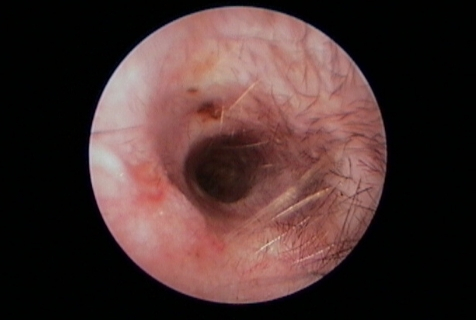
How Important Is an Ear Cleaner in the Short and Long-Term Management of Otitis Externa in Dogs?

Otitis externa is a very common condition in dogs, yet can be difficult to manage, successfully, in practice. Once the patient has been examined and a diagnosis has been established, the choice of treatment prescribed will be the key to success in treating otitis externa.

Looking Deeper Into Chronic Otitis Externa

Otitis externa (OE) in dogs is a common presentation in small animal practice, but whilst most cases of acute, early OE will respond well to symptomatic therapy, chronic or recurrent OE can present a frustrating clinical challenge.

Case of pododermatitis treated with ciclosporin

A five-year-old, neutered, male, West Highland White terrier presented with a lifelong history of painful pododermatitis that started shortly after acquisition at two months of age.

Liver Health and FMD Vaccination Efficacy

Veterinarians in South Africa, where foot-and-mouth disease (FMD) control is paramount, should consider the immunomodulatory impact of Fasciola hepatica (FH) on FMD vaccination responses. Emerging research highlights that liver fluke infestations significantly impair the humoral immune response to FMD vaccination, potentially compromising the efficacy of national vaccination programmes.

The Use of Ciclosporin and HCA in Atopic Dermatitis and Otitis Externa

A 5-year-old, male, neutered, Maltese x Shih Tsu dog presented with intermittent, recurrent and chronic otitis externa; he has had since 4 months of age with the left ear being worse than the right.

The Use of HCA in Allergic Otitis Externa

A 4-year-old female neutered Labrador Retriever dog was presented with an eight-month history of recurrent bilateral otitis

Optimising Bovine Reproductive Efficiency: The Role of Multimin in Andrology and Embryo Transfer

For veterinarians specialising in ruminant reproduction, mitigating oxidative stress (OS) is paramount to maximising the viability of gametes and embryos. Both spermatogenesis and early embryogenesis are highly sensitive to reactive oxygen species (ROS) due to the high polyunsaturated fatty acid content in cell membranes and the intensive metabolic activity characterising these stages.

End of content

No more pages to load